M5757-23-004 Electromechanical Relay M5757-23-04 93026-40MS 26.5VDC 300OHM 10A
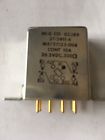
( Manufacturer Part Number: M5757/23-004 ), ( Brand: Te )
Review Electromechanical Relay 26.5vdc 300ohm 10a Dpdt
The M5757-23-004 and M5757-23-04 TE 93026-40MS Electromechanical Relay is a versatile and reliable component designed for various applications. This relay operates on a DC voltage of 26.5V and can handle current up to 10A, making it suitable for medium to high power loads.
The relay features a 300 ohm coil resistance, ensuring efficient energy conversion from the controlling circuit to the magnetic field. The electromechanical design allows for reliable and quick switching operations, with a contact rating of 10A at 26.5VDC.
The M5757-23-004 and M5757-23-04 TE 93026-40MS Electromechanical Relay comes with a standard SPST (Single Pole Single Throw) configuration, which means it can switch between one of two states. The relay body is made of high-quality materials, ensuring durability and resistance to environmental factors such as moisture, dust, and vibrations.
The M5757-23-004 and M5757-23-04 TE 93026-40MS Electromechanical Relay is a reliable and cost-effective solution for applications requiring electrical switching functions, such as automotive, industrial control, and HVAC systems. Its compact size and robust design make it easy to integrate into various systems, providing reliable and efficient performance in a wide range of operating conditions.
The M5757-23-004, M5757-23-04, TE 93026-40MS, and electromechanical relay with specifications of 26.5VDC, 300ohm, and 10A, are commonly used components in various electrical circuits. Here are some pros and cons of buying this relay:
Pros:1. Reliability: Electromechanical relays are known for their reliability and durability, making them suitable for long-term use in industrial applications.
2. Versatility: These relays can be used in a wide range of applications, such as motor control, signaling, and data communication.
3. Cost-effective: Compared to solid-state relays, electromechanical relays are generally more affordable, making them a popular choice for many applications.
4. Easy to install: Electromechanical relays are relatively easy to install and require minimal setup, reducing installation costs and time.
Cons:1. Limited switch speed: Electromechanical relays have a slower switch speed compared to solid-state relays, which may not be suitable for high-speed applications.
2. Noise: These relays can generate noise when switching, which may impact the performance of sensitive electronic equipment.
3. Mechanical wear: Over time, the moving parts in electromechanical relays can wear out, leading to reduced reliability and increased maintenance costs.
4. Size and weight: Electromechanical relays are generally larger and heavier than solid-state relays, which can impact the overall design of the system.
In conclusion, the M5757-23-004, M5757-23-04, TE 93026-40MS, and 26.5VDC, 300ohm, 10A electromechanical relay are reliable and cost-effective components that offer a wide range of applications. However, their slower switch speed, noise, mechanical wear, and size may limit their suitability for high-speed, sensitive, or compact applications.
If you require a relay for general-purpose switching and have the space to accommodate the larger size, then this electromechanical relay is a good choice. However, if you require a faster switch speed, less noise, or a smaller size, then you may want to consider a solid-state relay instead.
Details:
M5757, te, electromechanical relay 26. 5vdc 300ohm 10a dpdt mm that military relay x1 PC. Traceable source.
part #: m575723004 price
- $109.99
specifications capacitorelectron:
- mpn: M5757/23-004
- brand: Te
Ratings:
- Item as described, smooth transaction - thanks!!: - A 06-18-17
- Item as described a 5 stars 07-07-17
- Arrived earlier than quoted. Parts look as described and pictured. 07-03-17
- Excellent transaction, highly recommend on 5 06-29-17
- Thank you for an easy, pleasant transaction. Excellent buyer.. 07-05-17
Shipping capacitorelectron:
- type: Calculated
- handling: 3 days
Offer capacitorelectron:
- Sold: 0
- quantity: 1
- bids: 0
- best offer: true
- Started: July 11, 2017, 6:28 pm
Payments capacitorelectron:
- PayPal
Returns capacitorelectron:
- policy: no returns
Seller capacitorelectron:
- zipcode: 95109
- city: San Jose, California
General capacitorelectron:
- business industrial > electrical test equipment > electronic components business industrial > capacitors electronic components
- condition: New
- in stock: Yes
